Art & Perception
Young SEA Collectors:
From Display of Wealth to Display of Perception
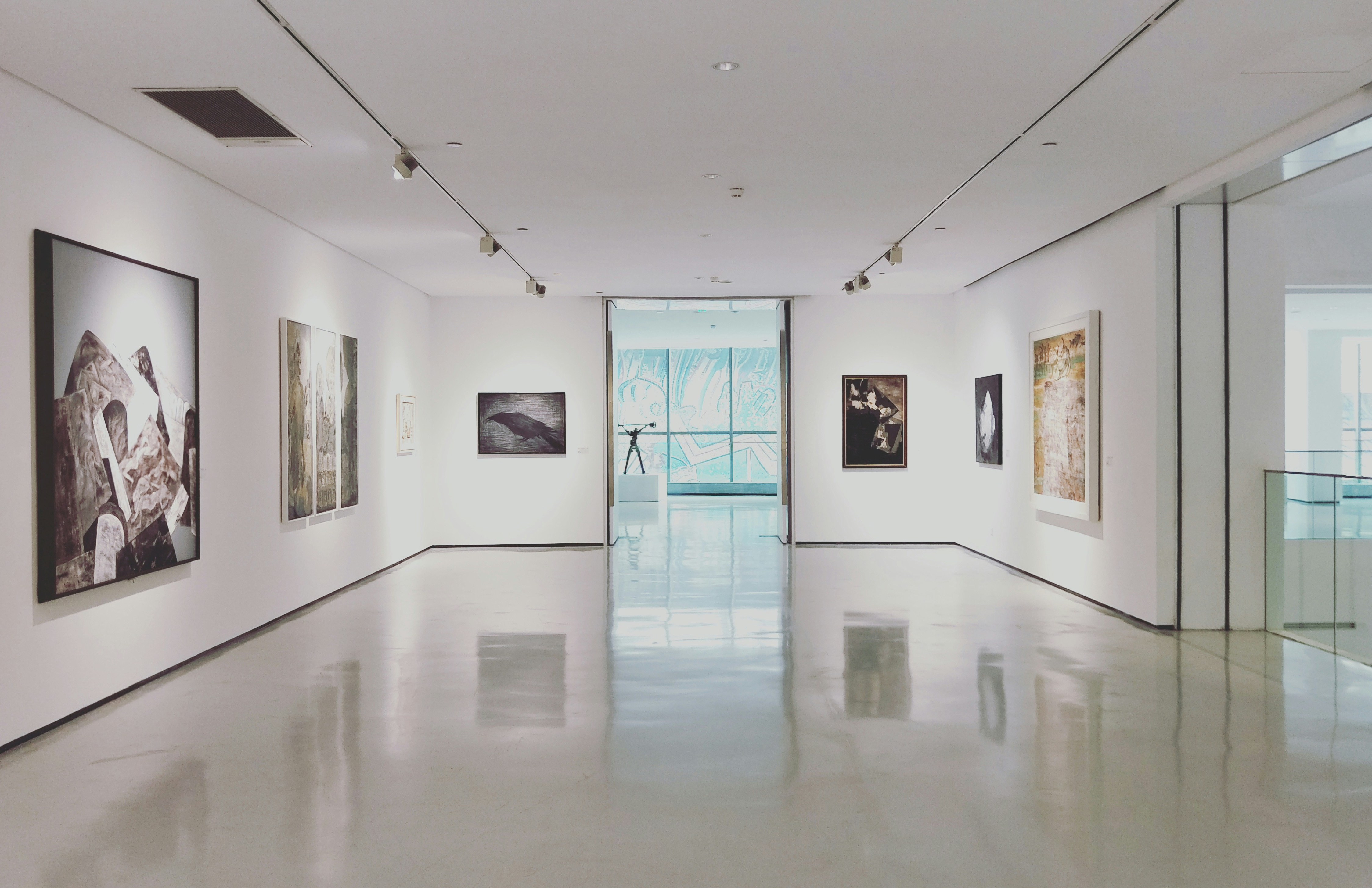
Atmosphere begins to supersede spectacle
The Subdued Signal
A decade ago, sophistication across emerging Southeast Asian cities was rooted in visibility. Imported marble, European chandeliers, sprawling private residences, recognizable luxury logos, and institutionally validated artworks formed the undisputed visual vocabulary of wealth. Luxury operated through scale; it demanded to be seen immediately and understood instantly.
Today, a quieter aesthetic language is infiltrating the private spaces of a younger generation of regional collectors. The rooms feel softer, the materials warmer. Light is allowed to diffuse rather than dominate. Abstract canvases replace overt narratives, and handmade ceramics sit quietly inside restrained interiors. Here, atmosphere supersedes spectacle.
The performance of wealth has not vanished; it has simply become more coded, interior, and perceptual. Collecting in Southeast Asia is shifting from a display of wealth to a display of perception.
Collecting in Southeast Asia is shifting from a display of wealth to a display of perception
While older luxury cultures relied on immediate, universal recognition, contemporary collector culture operates on nuance, interior mood, and cultural fluency. The signal remains, but its vocabulary has evolved.
The Emotional Fatigue of Hypergrowth Asia
This aesthetic evolution is a direct by product of a deeper reconfiguration of capital and identity among second- and third-generation (F2/F3) wealth holders inheriting increasingly globalized lives.
Across Singapore, Vietnam, Thailand, and Indonesia, two decades of explosive economic expansion have yielded an unintended consequence: chronic overstimulation.

Acceleration and the toll of chronic perceptual saturation
Post-hypergrowth Asia is loud. Cities move at a relentless pace, luxury environments have grown homogeneous, and collective attention spans fragment under the weight of permanent digital visibility and performance culture.
Much of Southeast Asia’s new wealth has only emerged within the span of one or two generations. Many younger collectors came of age amid an almost uninterrupted pace of economic transition: from manufacturing to services, from domestic markets to global mobility, from survival-driven accumulation to the accumulation of experience.
Raised within hyper-optimized structures - elite international schooling, global mobility, and strict corporate or familial inheritance, younger affluent Asians grew up with access to almost everything except stillness.
Younger affluent Asians grew up with access to almost everything except stillness.
This psychological reality quietly reshapes their collecting behavior. Modern collecting is less about acquiring objects and more about engineering architectural sanctuaries. These young collectors are purchasing environments capable of creating relief from perceptual overload.
REGIONAL PARADIGM SHIFT
DIMENSION
FOUNDER LOGIC (F1)
NEXT-GEN LOGIC (F2/F3)
Asset Logic
Scale, accumulation, material permanence
Mobility, lifestyle integration, knowledge density
Luxury Logic
Visual dominance, immediate recognition
Atmosphere, emotional perceptual regulation, quietness
Source of Legitimacy
Institutions, history, stability
Taste, sensitivity, cultural foresight
Preferred Assets
Real estate, industry, fixed assets
Art, collectible design, mobile cultural assets
Asset Logic
Founder Logic (F1)
Scale, accumulation, material permanence
Next-Gen Logic (F2/F3)
Mobility, lifestyle integration, knowledge density
Luxury Logic
Founder Logic (F1)
Visual dominance, immediate recognition
Next-Gen Logic (F2/F3)
Atmosphere, emotional perceptual regulation, quietness
Source of Legitimacy
Founder Logic (F1)
Institutions, history, stability
Next-Gen Logic (F2/F3)
Taste, sensitivity, cultural foresight
Preferred Assets
Founder Logic (F1)
Real estate, industry, fixed assets
Next-Gen Logic (F2/F3)
Art, collectible design, mobile cultural assets
This shift also intersects with macro-financial recalibrations across regional family offices.
Earlier generations accumulated wealth through land, manufacturing, heavy industry, and operationally dense enterprises. Assets had to be permanent, measurable, and physically substantial; ownership carried heavy symbolic weight. Founders optimized for physical expansion: land expanded, factories multiplied, and luxury grew through scale.
The heirs are moving in the exact opposite direction - toward reduction, silence, and absolute perceptual control.
In this framework, contemporary art, collectible design, rare wine, and hospitality-linked cultural assets enter portfolios not just as alternative investments, but as high emotional-yield assets. The reallocation is financial, but its roots are existential.
Minimalism as a Container

Globally educated yet emotionally tethered to Asian textures of living-defined by intimacy, warmth, sensory density, and memory-younger collectors reject the sterile coldness of clinical Western minimalism without reverting to loud luxury.
They seek a third space: something quiet, breathable, and emotionally inhabited.
This explains the current saturation of aesthetics like "Japandi" in modern Asian interior design. The appeal is not a superficial mimicry of Japanese or Scandinavian design traditions. Rather, these stripped-back spatial structures create the necessary silence to hold Southeast Asian emotional density.
Minimalism is never the destination.
It is the container.
Within these curated voids, tropical light, tactile imperfections, warm organic materials, and emotional memory are allowed to coexist. Luxury is re-coded from visual dominance to sensory safety.
Cultural Capital as Venture Infrastructure
A parallel disruption is turning traditional collecting behavior on its head.
Previous generations prioritized blue-chip names, institutional backing, and deceased artists with ironclad market legitimacy. Cultural value was safest when history had already locked it in.
Without the heavy institutional weight found in Europe or Northeast Asia, Southeast Asia’s collecting ecosystem moves more fluidly across art, design, hospitality, and contemporary living. This has made a younger generation of regional collectors more open to emerging practices and cultural values still taking shape in real time.
Today’s collectors gravitate toward living artists, emerging practices, and voices evolving in real-time. This is not a purely speculative gamble; it stems from a desire for participation, co-creation, and proximity to raw cultural energy.
The relationship is speculative in the truest sense: it is less about archiving history and more about growing alongside it.
Within contemporary wealth management, taste is being leveraged as a parallel form of wealth infrastructure.
If previous generations focused on protecting Financial Capital through materially stable assets, younger collectors increasingly treat Cultural Capital as a parallel layer of wealth infrastructure.
Taste becomes positioning.
Perception becomes a soft asset
Previous generations prioritized blue-chip names, institutional backing, and deceased artists with ironclad market legitimacy. Cultural value was safest when history had already locked it in.
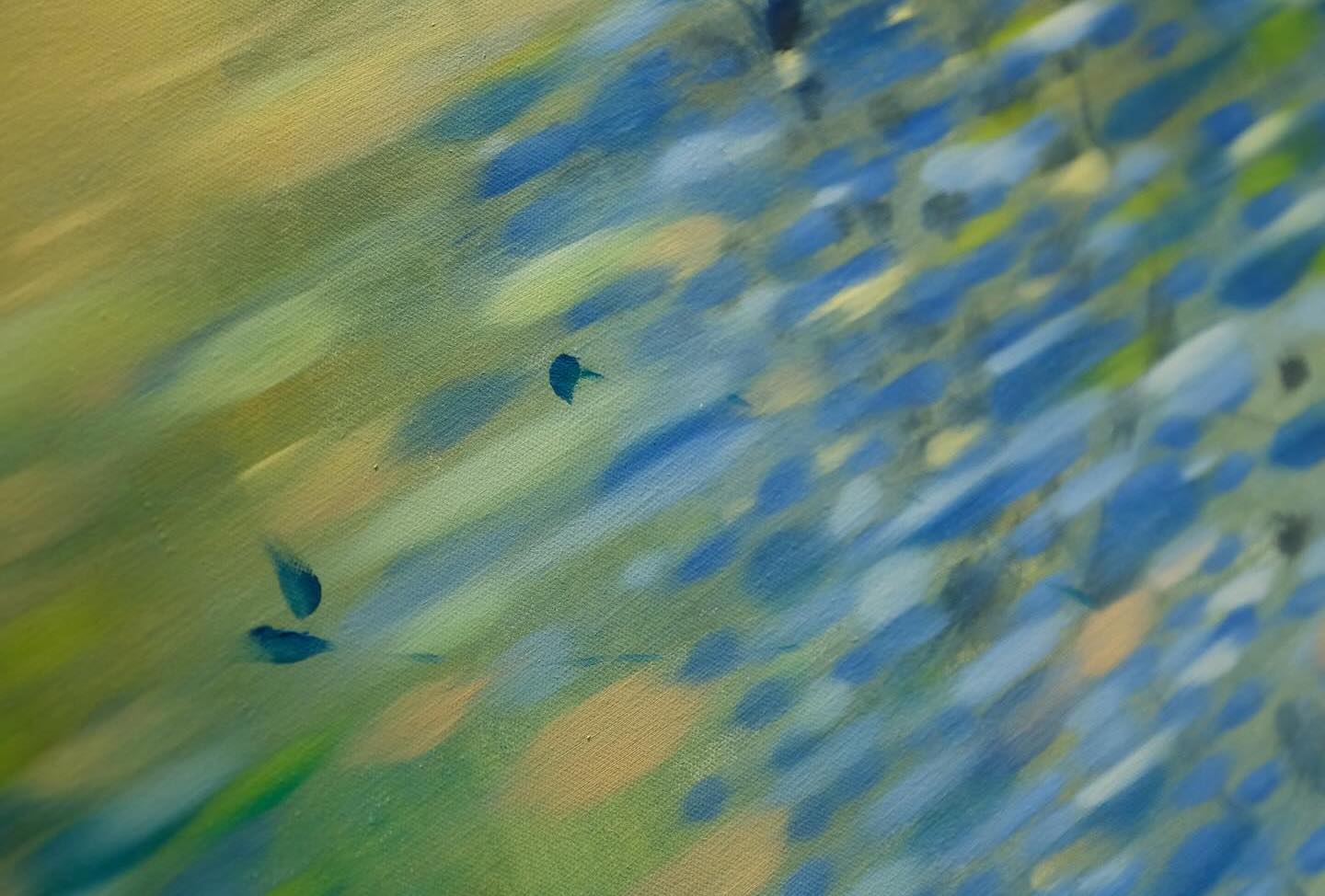
Collecting emerging art increasingly resembles a form of cultural venture capital.
Collectors accept ambiguity and volatility in exchange for early access to evolving aesthetic movements and the ability to shape cultural taste before market consensus emerges.
Legitimacy no longer derives exclusively from institutional history. It now derives increasingly from perceptual sensitivity: the ability to recognize cultural relevance before it becomes obvious.
These shifts are not only visible in asset structures or collecting patterns. They are also beginning to reshape the visual language younger collectors resonate with.
Across newer gallery and hospitality environments throughout Asia, there is a growing presence of abstraction, silence, atmosphere, imperfect surfaces, and works that no longer compete aggressively for immediate attention. They reflect a broader movement away from hypervisibility and performative luxury toward quieter environments capable of holding ambiguity, emotional regulation, and perceptual slowness.
Within this landscape, artworks function less as declarative status objects and more as atmospheric structures.
They soften interiors.
Absorb tension.
Create spatial breathing room.
Rather than demanding immediate recognition, these works ask for duration, sensitivity, and slower attention.
Not because these aesthetics reject luxury altogether, but because they redefine what luxury means: from spectacle to atmosphere, from ownership to perception, from visibility to psychological resonance.
The works of Quỳnh Anh Lê, alongside exhibition environments such as Chau & Co Gallery, offer clear examples of this transition.
Quỳnh Anh Lê and a New Visual Language

The works of Quỳnh Anh Lê register, with unusual clarity, the psychological and aesthetic shifts unfolding among younger Asian collectors.
Emerging through galleries in Japan, and alongside hospitality-driven collecting ecosystems and private cultural spaces across Southeast Asia, her paintings are almost entirely without human figures. Yet presence remains.
That presence does not reside in fixed forms. It emerges through movement. These are not landscapes in the conventional sense, but a state before landscape takes shape. Not matter itself, but qi: a field of breath and quiet, continuous unfolding.
Color does not describe. It circulates. Water, light, and terrain remain suspended, unbound by definition, existing in a state of quiet indeterminacy.
The qi of the brush, the qi of the body, and the qi of the surrounding world converge on the surface. Nothing demands attention. Nothing seeks resolution.
The works do not ask to be interpreted as objects. They exist as environments of attention, where what appears is inseparable from what moves beneath.
Spatially Liquid Assets

This dynamic is quietly reshaping the role of the artwork within contemporary elite networks. The art object is no longer a static monument anchored to a singular family residence. It moves fluidly between metropolitan apartments, boutique hospitality environments, private viewing rooms, and international living spaces.
In Southeast Asia, art is becoming increasingly embedded within the everyday lives of collectors, where the boundaries between art, design, architecture, and lived experience remain fluid. This is especially visible in boutique hotels, private salons, curated dining spaces, and urban apartments conceived as complete emotional environments. In this context, art no longer functions as an isolated visual statement, but as a form of mobile cultural atmosphere that moves alongside the borderless lifestyles of contemporary collectors.
Art increasingly operates as a mobile cultural atmosphere travelling alongside the collector’s emotional and spatial life across borders.
From a broader asset perspective, this reflects a deeper transition: away from materially heavy systems toward forms of value that are lighter, more fluid, and culturally dense.
A factory binds its owner to geography, labor structures, and physical scale. An art collection moves differently. It remains portable while carrying atmosphere, symbolic resonance, and Cultural Capital across environments
A work may exist inside a Singapore penthouse today, shape the emotional tone of a boutique retreat in Vietnam next month, and later reappear within a private residence in Europe.
Its value no longer lies solely in ownership itself, but in its ability to travel through space while continuously transforming the psychological texture of where it arrives.
The New Rhythm of Luxury

Emerging galleries and curatorial directions across Southeast Asia increasingly reflect this broader shift in collector psychology and spatial taste. These environments require slowness, sensitivity, and comfort with open-ended interpretation.
This is an entirely different rhythm from older forms of luxury built around immediate, mass recognition. Taste has converted into an exclusive currency. It is no longer just the ability to purchase, but the rare ability to perceive.
To display a hyper-restrained interior, an obscure non-consensus artist, or an intentionally flawed ceramic object communicates something far more elite than raw purchasing power: it signals curatorial intelligence, critical distance from mass consumer aesthetics, and the internal capacity to inhabit silence.