The Gatekeepers of Aura: Where Institutions and Markets Converge
Essay · 19 March 2026
Cultural value does not begin with commerce. By the time objects enter the market, their meaning is already structured.
Museums do not preserve meaning. They produce the conditions under which meaning becomes legible.
Institution is not a site of storage. It is a structure of interpretation.
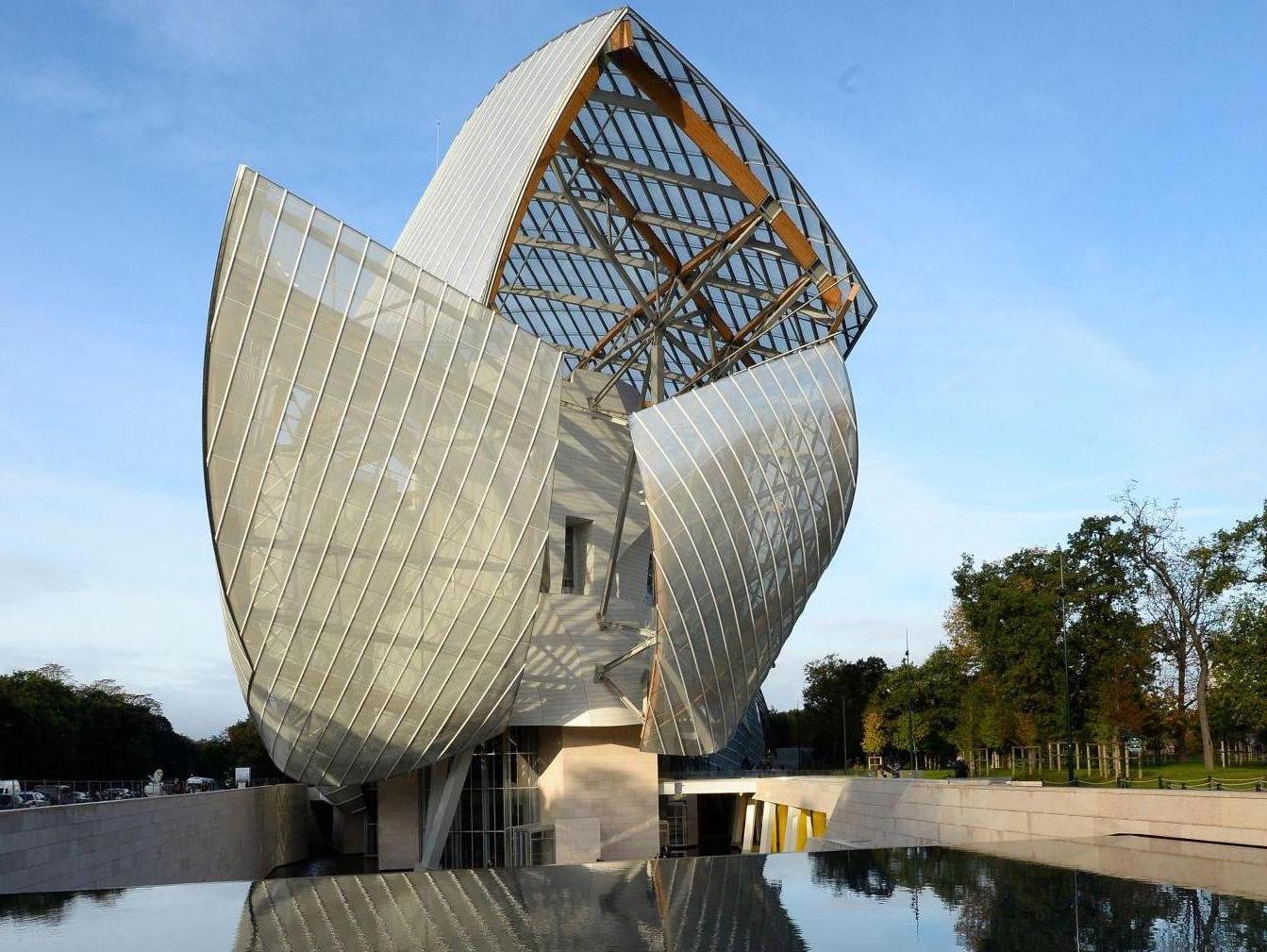
Fondation Louis Vuitton, Paris. Architecture by Frank Gehry.
Museums, biennales, foundations, and public collections operate through a logic distinct from the market.
The market circulates objects. The institution defines the terms through which objects are understood. Through exhibitions, research, and curatorial framing, artworks are situated within broader cultural and historical contexts.
Meaning does not reside in the object. It emerges through position.
Cultural capital forms through the accumulation of symbolic authority over time. Works become legible as they enter systems of interpretation.
Recognition is not assigned in a single moment. It is built through sustained institutional attention.
Institutional recognition unfolds on a geological time scale.
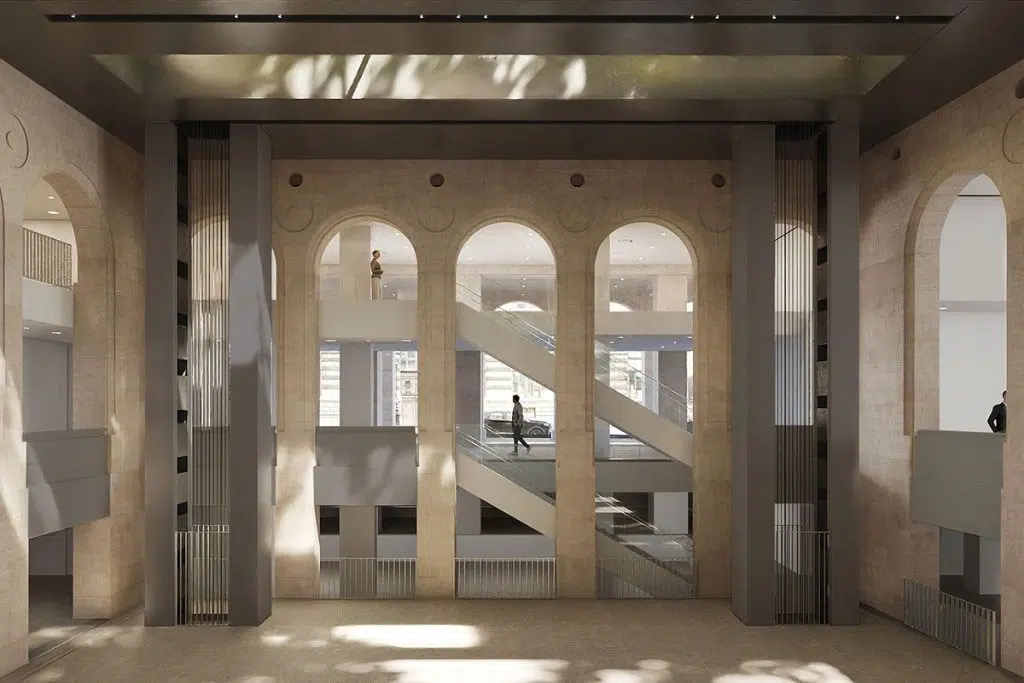
Fondation Cartier pour l’Art Contemporain. Architect: Jean Nouvel. Photo: Luc Boegly
Institutional recognition unfolds on a geological time scale. Decades of exhibitions, scholarship, and curatorial framing accumulate into legitimacy. This temporal structure contrasts with the market, where value fluctuates across shorter cycles.
The market registers movement. The institution stabilizes meaning.
Price registers demand. Aura holds permanence.
The relationship between institutions and markets is not sequential.
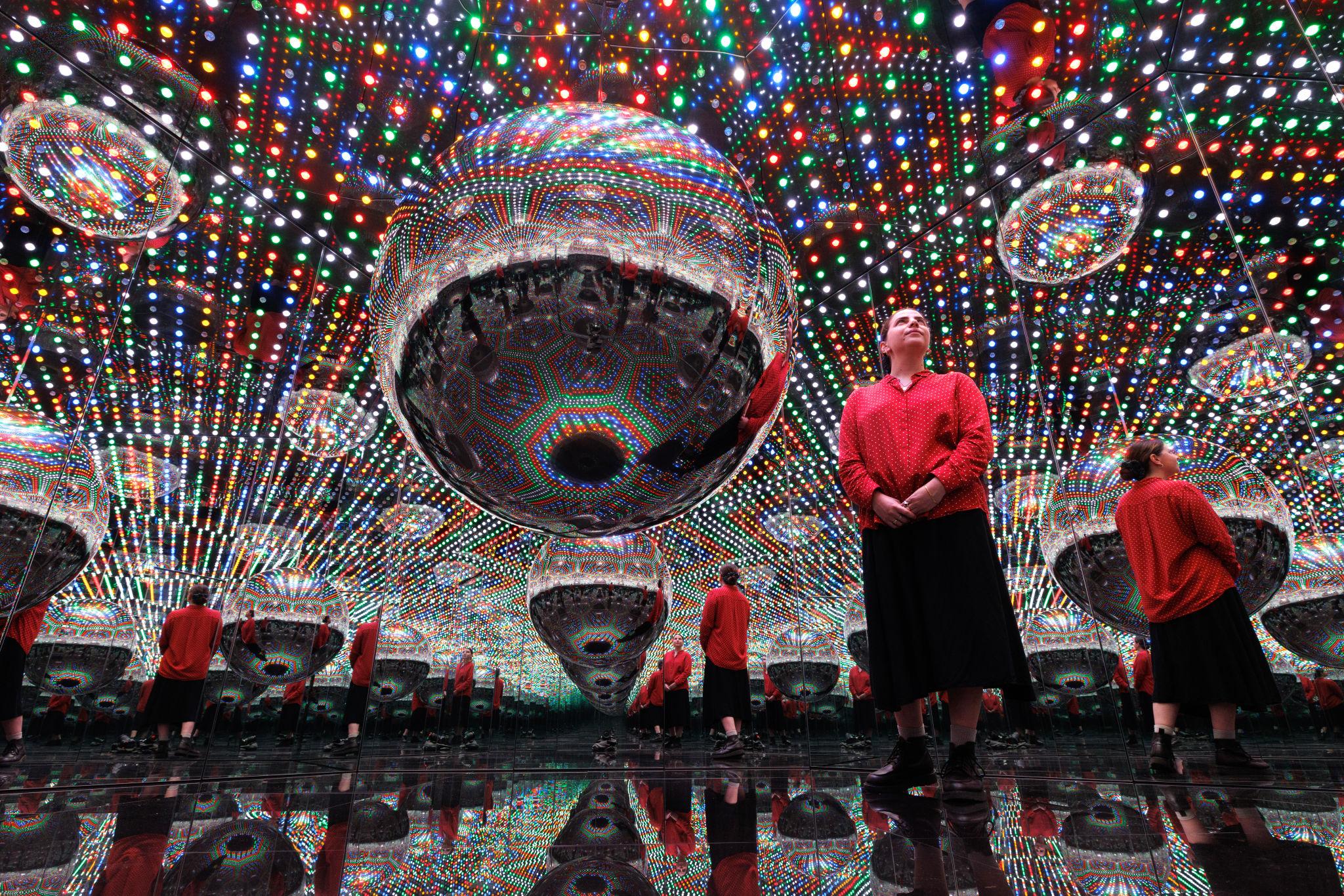
A Yayoi Kusama installation attracting large museum audiences.
Beyond visibility, institutions produce another form of value: intellectual scarcity.
Beyond visibility, institutions produce a subtler form of value: intellectual scarcity.
Museums operate within limits. Wall space is finite. Curatorial attention is selective. Archival memory is bounded.
Only a small number of artists enter institutional narratives at any given time.
Scarcity, in this context, is not absence. It is structure.
Over time, scarcity of attention becomes value.
In luxury markets, value is sustained through controlled commercial scarcity. Cultural institutions operate through symbolic scarcity. Foundations emerge at the intersection of these two systems.
Through them, luxury houses do not only accumulate prestige. They position themselves within cultural production.
Artists gain platforms for visibility and experimentation. Brands align their identity with forms of cultural authority that extend beyond commerce.
Fondazione Prada, Milan. Architecture by OMA / Rem Koolhaas.
The question is not whether corporate patronage is pure. It is whether it has become structurally consequential. Foundations no longer sit at the periphery. They operate within the systems through which legitimacy is formed.
The question is not whether corporate patronage is pure. It is whether it has become structurally consequential.
This structure becomes more visible in regions where institutional infrastructure remains limited.
Across much of Southeast Asia, artistic production is dynamic, yet the systems that sustain long-term cultural positioning are still developing.
In the absence of strong public institutions, private initiatives assume a more central role.
Visibility often emerges abroad before it consolidates locally.
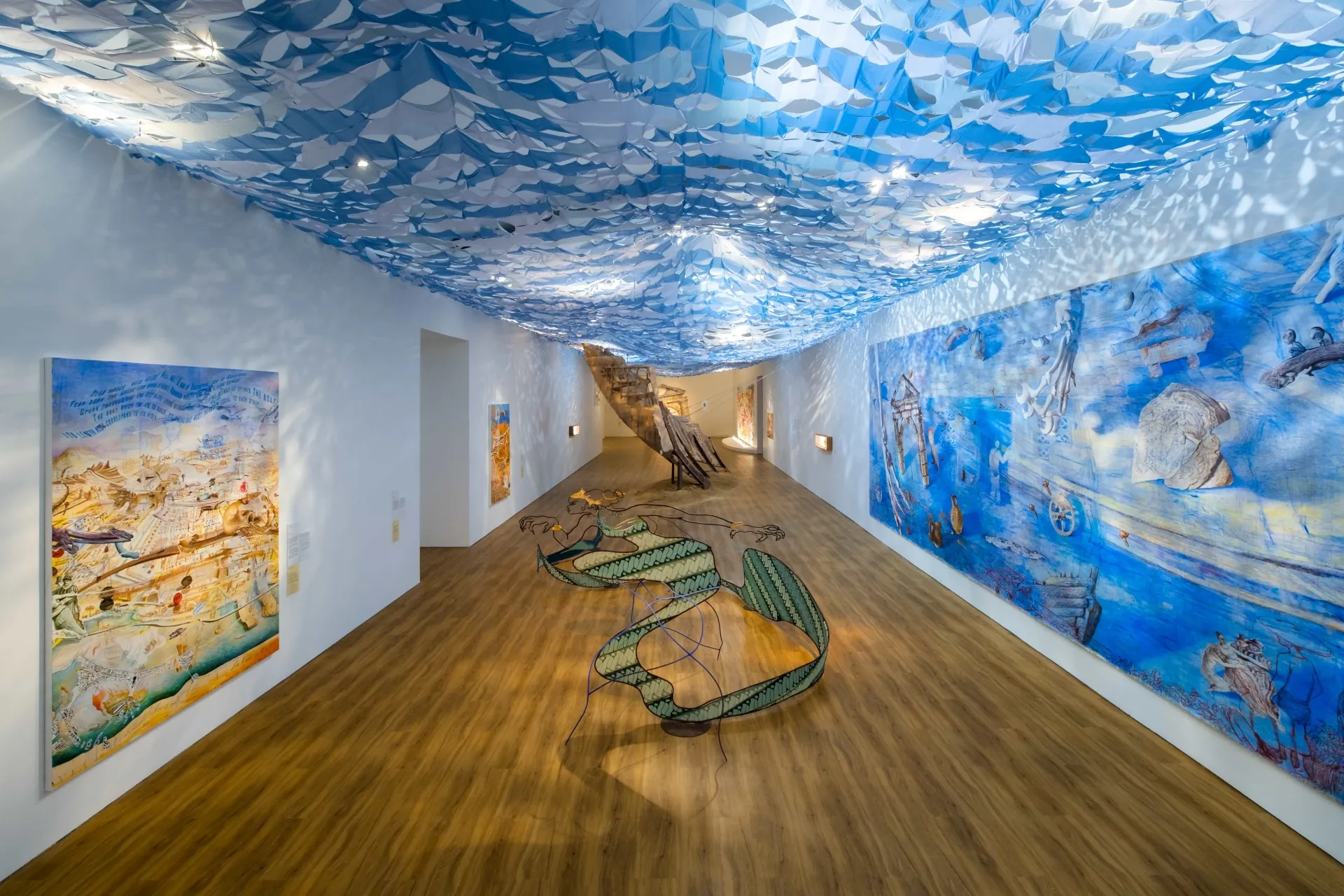
Museum MACAN, Jakarta — one of the region’s leading private contemporary art museums.
Where institutions are established, they sustain narratives across time. They connect artistic practice to broader historical and cultural frameworks. Where such structures remain limited, recognition follows alternative paths.
Cultural legitimacy is not fixed.
It is sustained.
Through exhibitions, scholarship, curatorial interpretation, and institutional attention.
Cultural legitimacy is not fixed. It is sustained.
— Dao Nguyen Anh
Image Credits
Fondation Louis Vuitton, Paris. Photo: Iwan Baan / Fondation Louis Vuitton. Fondation Cartier pour l’Art Contemporain. Architect: Jean Nouvel. Photo: Luc Boegly Fondazione Prada, Milan. Photo: Bas Princen / Fondazione Prada. Yayoi Kusama installation. Courtesy of the artist and Ota Fine Arts. Museum MACAN, Jakarta. Photo: Museum MACAN.