Identity unfolds slowly. Meaning rarely appears all at once.
In both the art world and the histories of certain brands, meaning rarely appears all at once. It gathers through context, institutions, interpretation, and the quiet accumulation of history.
Identity often takes shape gradually
Some identities seem to hold their shape across decades, even centuries. They do not appear to be constantly redesigned or repositioned. Instead, they unfold slowly through narratives that remain recognisable across time.
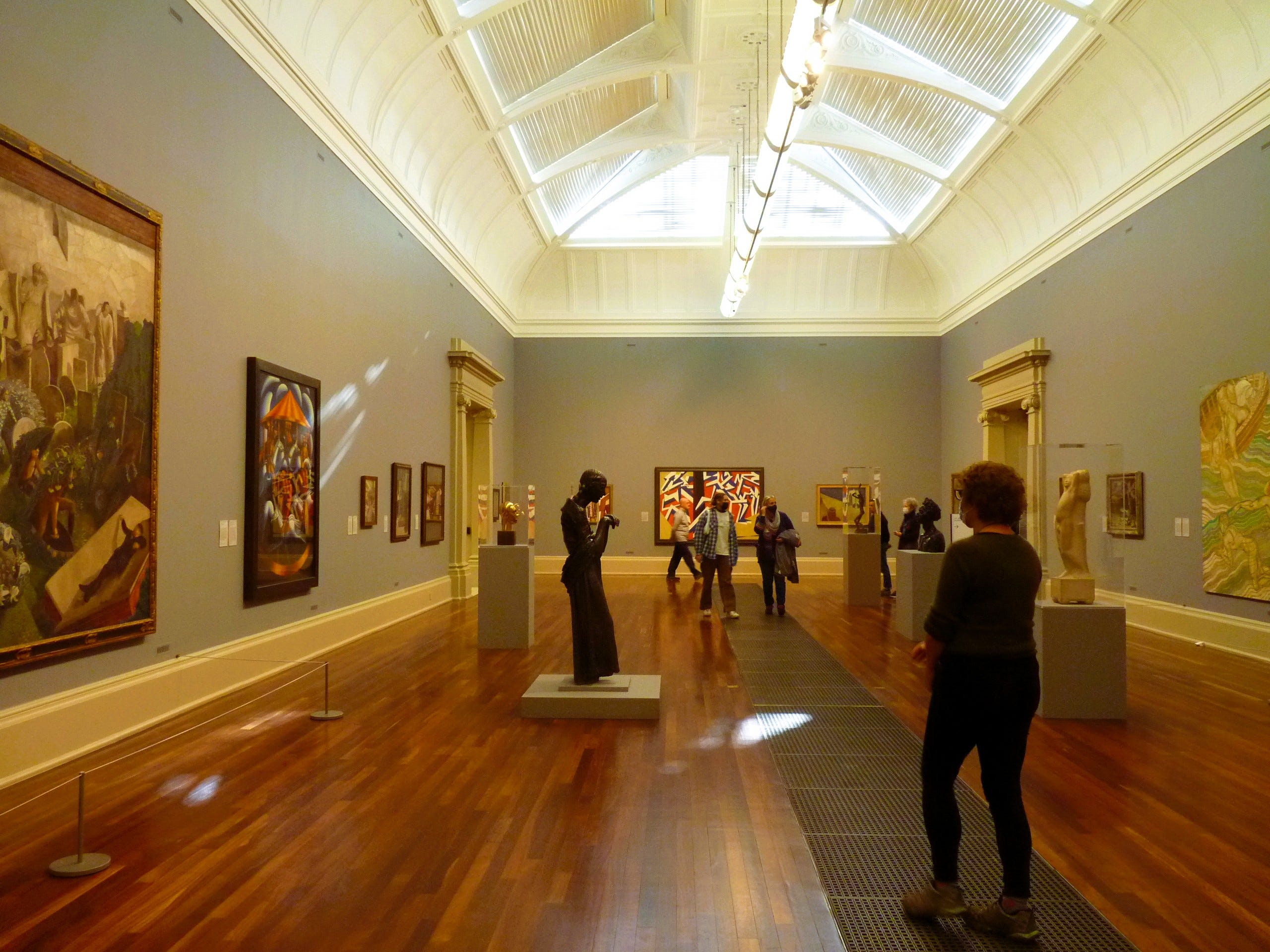
This dynamic is familiar. The meaning of an artwork rarely resides in the object itself. It gathers through the contexts that surround it: exhibitions, institutions, criticism, collectors, and the quiet accumulation of history.
Business often moves differently. Markets shift. Technologies change. Competition demands adaptation.
In such environments, identity is often treated as something that must evolve quickly in response to external pressures.
Yet a small number of brands appear to develop along another trajectory. Their identities do not seem to reset with each market cycle. Something more continuous is at work.
Narrative in the Art World
Meaning in art emerges through context and time.
Narrative and identity are often associated with luxury brands or cultural industries. These sectors speak naturally about heritage, aesthetics, and storytelling.
But narrative is not exclusive to them. It is a mechanism through which meaning accumulates over time.
Narrative is not a layer added to value. It is the structure through which value accumulates.
In the art world, this process is particularly visible. The identity of an artwork rarely forms instantly. Instead, it emerges through a network of relationships: curators, exhibitions, collectors, critics, and institutions. Through these layers, a narrative gradually takes shape.
Over time this narrative allows the work to become legible within culture. Value develops slowly within this structure. Time itself becomes part of meaning.
Only then can value begin to stabilise, before it is ever translated into price.Narrative Under Market Pressure
Business operates under different conditions. Competitive pressure, technological disruption, and changing consumer behaviour often require companies to adapt rapidly. Innovation and reinvention become necessary strategies.
Yet certain brands appear to maintain a more stable narrative structure across decades.
Their development does not appear as a sequence of abrupt reinventions. Instead, change unfolds through the gradual extension of an existing identity. Change does not arrive as reinvention. It extends what is already held.
Technologies shift. Markets reorganise. But the underlying narrative remains intact, absorbing change without dissolving into it.
Hermès
The French house Hermès offers one example.
Craftsmanship remains central to Hermès’ identity.
Founded in 1837 as a harness workshop in Paris, Hermès developed around a tradition of craftsmanship tied to equestrian culture. Over time, it expanded into leather goods, fashion, and accessories.
The environment surrounding the brand has changed repeatedly. Yet the narrative of the house continues to revolve around artisanal production and the continuity of craft.
Change does not arrive as reinvention. It extends what is already held.
Development appears less as reinvention than as extension. Hermès has remained consistently profitable for decades, with demand for its products often exceeding supply.
Leica
A different example appears in Leica.
Leica cameras became closely associated with documentary photography and the culture of observation.
Emerging in the early twentieth century, Leica became closely associated with documentary photography and photo journalism. Photographers used its cameras to record wars, cities, daily life, and moments that would later form part of visual history.
Across decades of technological change, from film to digital imaging, Leica has remained closely linked to the culture of photographic observation. Its identity is tied not only to technology but to a tradition of seeing. Even as photography evolved, Leica continued to anchor its identity in that act of seeing.
LEGO
The Danish company LEGO illustrates a similar pattern in a very different context.
The LEGO brick system established a coherent “system of play” that continues across generations.
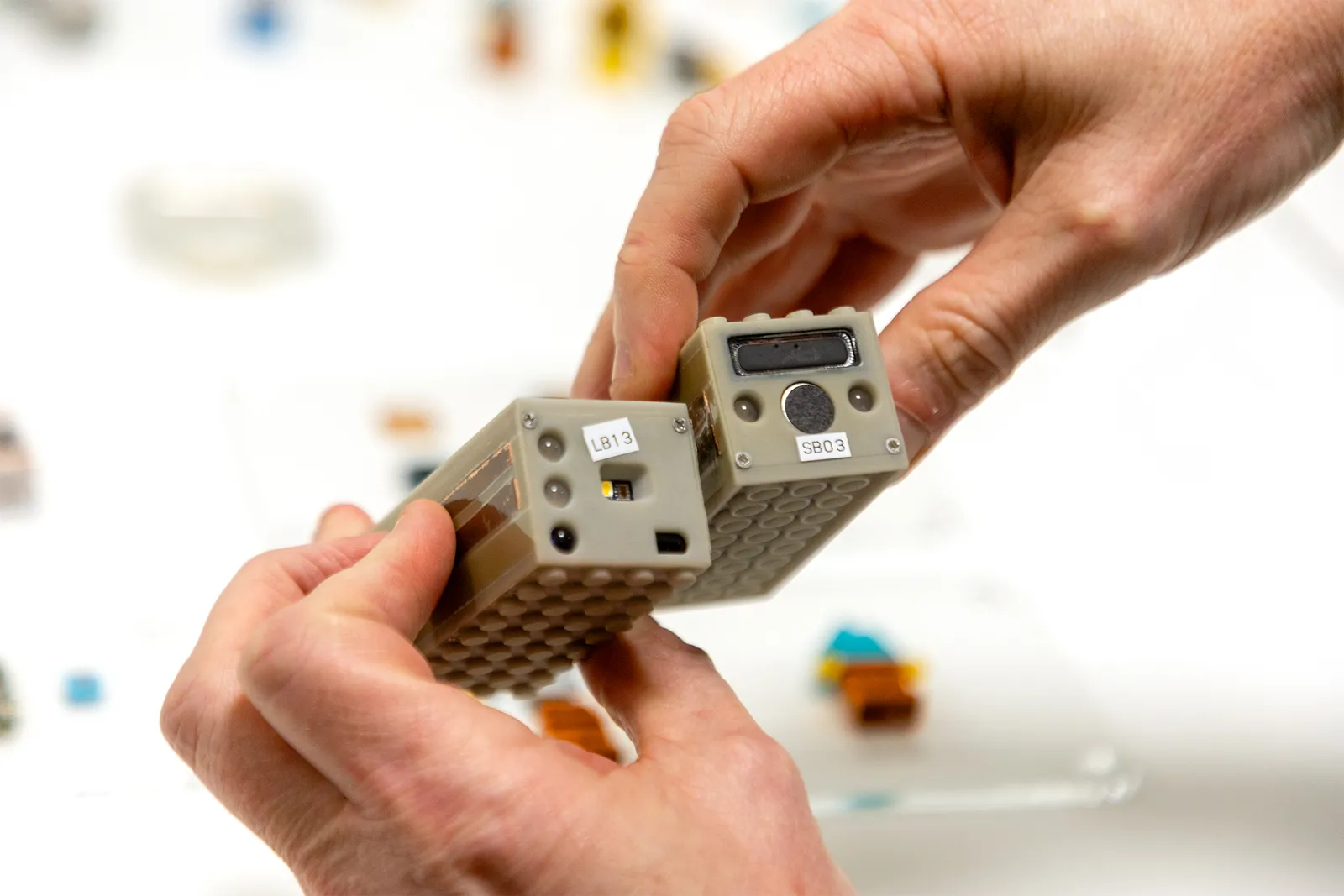
Founded in 1932, LEGO built its identity around the idea of creative construction. The interlocking brick system introduced in the mid twentieth century established what the company describes as a system of play. Different sets, generations, and worlds remain compatible with one another.
The toy industry has undergone significant changes. Digital entertainment has transformed how children interact with games and stories
Yet LEGO continues to revolve around the same narrative: imaginative building. LEGO experienced a major crisis in the early 2000s before rebuilding its strategy around the core brick system.
A Pattern Appears
Across these examples the industries differ widely. Luxury fashion, photography, and children’s toys share little structural similarity.
Yet each brand maintains a narrative that remains recognisable across generations.
Their identities do not appear to have been constructed all at once. Nor do they depend entirely on periodic reinvention. Instead, they extend gradually through continuity.
Narrative in these cases does not function merely as communication. It operates as a structure through whichmeaning accumulates. When identity remains coherent across time, organizations can become embedded within culture rather than existing solely within markets.
Identity does not appear at once. It takes form through time.
In this respect, the identities of some enduring brands resemble those of artworks. They unfold slowly through narrative, context, and time. Whether such continuity can exist widely in the contemporary business environment remains uncertain.