Art enters finance without ever fully belonging to it.
Unlike equities or bonds, art is not primarily valued through income or cash flow. A work does not yield. It is held.
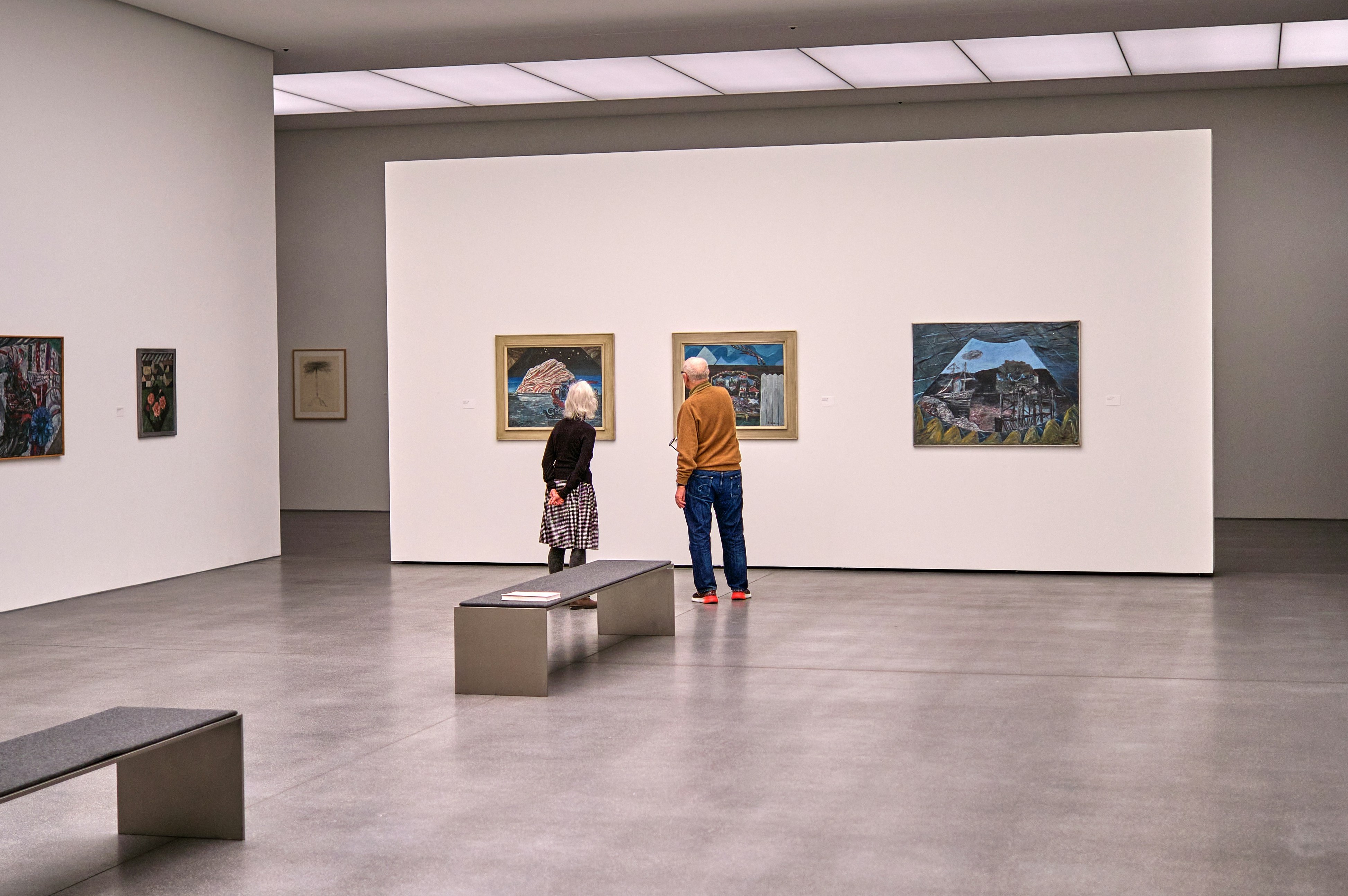
Its value forms through recognition, sustained over time by institutions and shaped by its place within culture.
Art Between Recognition and Exchange
Institutional visibility becomes part of the structure through which value is sustained. Traditional financial theory assumes continuity, transparency, and comparability.
The financial value of art remains structurally tied to culture.
The art market doesn’t operate like most others. Transactions are infrequent, information is uneven, and prices can surface, disappear, and resurface over time. But this isn’t a flaw in the system, it reflects a fundamentally different structure of value.
Value is sustained through institutions, recognition, and cultural continuity.
Mechanisms of Return
To treat art as an asset is to accept a different logic of return. Art rarely generates ongoing income. Its value builds through recognition. Financial return may only appear at resale, but value begins forming much earlier. Recognition comes before price.
The structure of the art market makes this clear. The primary market, shaped by galleries, operates less on immediate demand and more on positioning, scarcity, and the slow construction of reputation. Prices are set with intent. Supply is controlled. Works are placed selectively. What is being built here is not liquidity, but stability.
The primary market does more than sell artworks. It establishes the conditions under which those works can later be valued, circulated, and sustained within institutions.
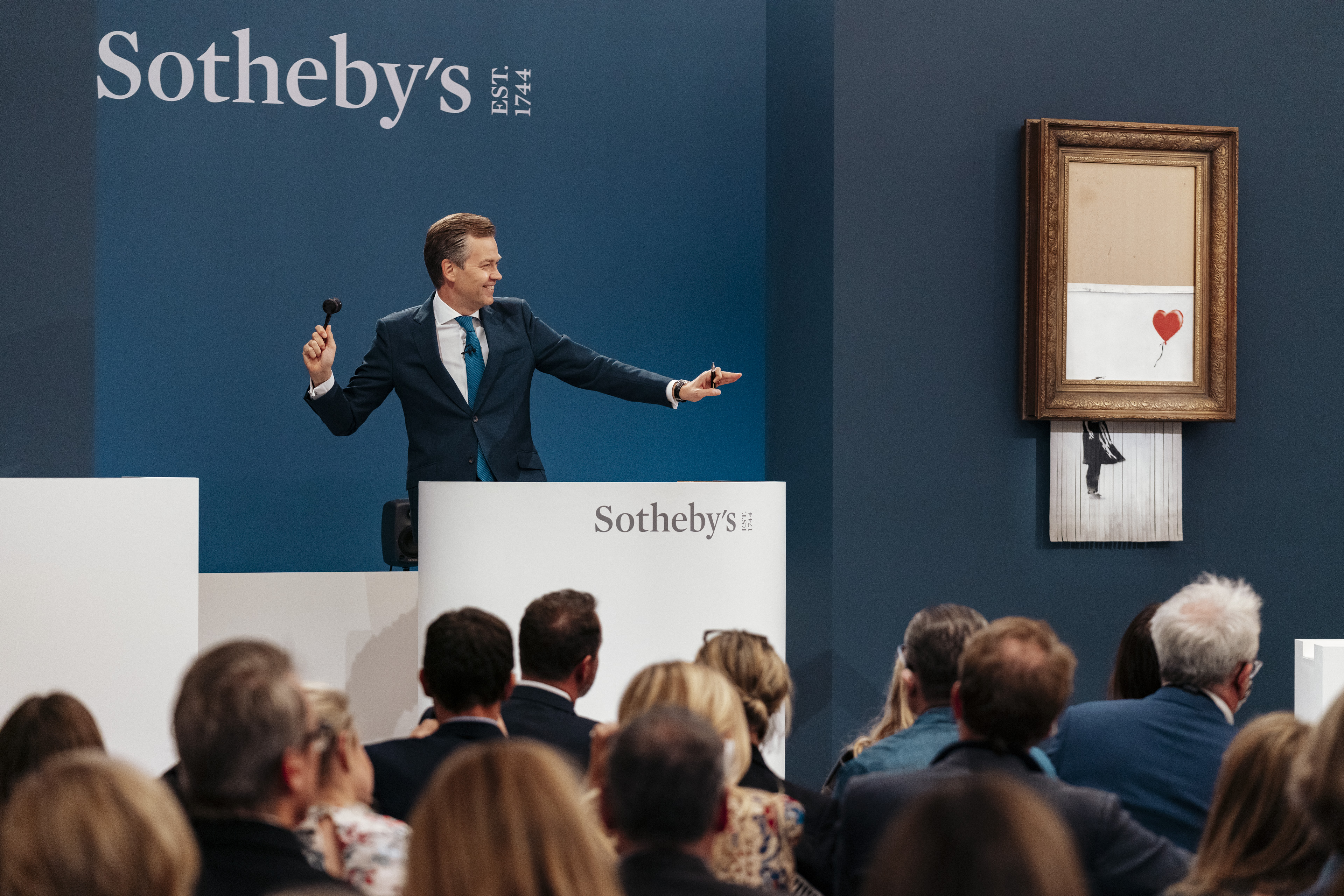
The secondary market, dominated by auction houses such as Sotheby’s and Christie’s, operates differently. This is where price becomes visible.
Auctions do not merely reveal value. They perform it.
Auctions stage visibility, attention, and market legitimacy in real time.
Visibility, attention, and legitimacy tend to converge at the moment of sale. Price doesn’t emerge from ownership alone, but from collective recognition.
Between the primary and secondary markets, value is in constant circulation. The primary market stabilizes recognition, while the secondary market amplifies it.
Sedimentation and Time
Financial assets move as flow. Art accumulates as sediment. Value does not update continuously. It builds in layers over time through exhibition, scholarship, and institutional continuity.
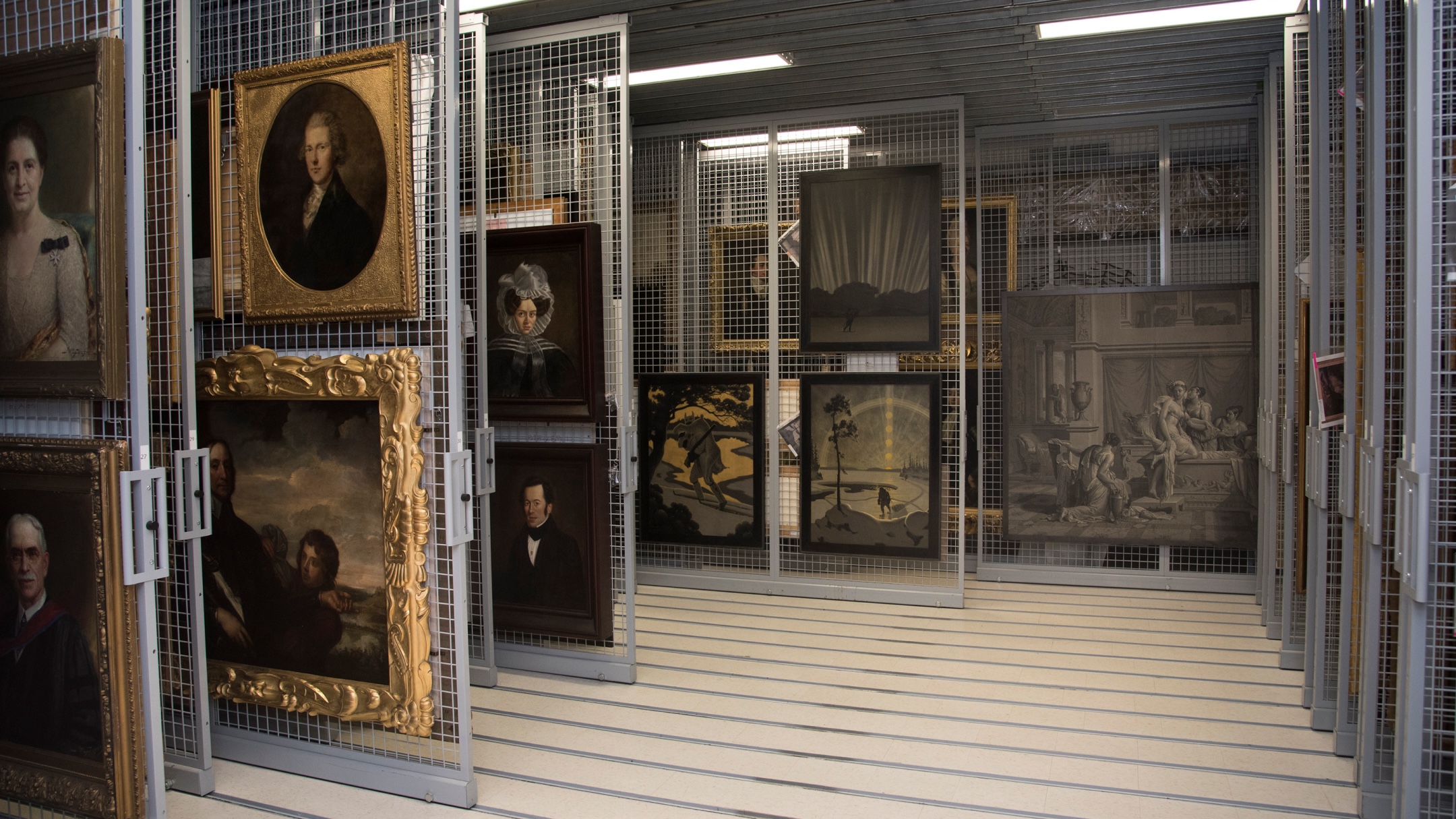
Art accumulates through preservation, circulation, and institutional continuity long before it returns to visibility.
Interpretation doesn’t move on its own. It shifts with cultural frameworks, institutional priorities, and historical distance. As interpretation evolves, so does recognition.
Return remains inseparable from recognition. Institutional endorsement, critical discourse, and visibility together shape the conditions under which price can rise.
Interpretive Risk
Risk follows the same logic. Art carries a different kind of risk, not only financial, but interpretive. The meaning of a work is never fixed. It shifts over time through cultural frameworks, institutional context, historical distance, and changing systems of recognition. As interpretation evolves, demand can shift with it, independent of the object itself.
This is not volatility in the usual sense. It is instability in meaning. It cannot be fully hedged, nor easily diversified away.
The distinction becomes clearer in market history. Claude Monet’s market is stabilized through deep institutional embedding. Museums, scholarship, exhibition history, and long historical continuity absorb uncertainty over time. Egon Schiele’s market, while highly valued, remains more exposed to interpretive shifts. Cultural and ethical readings around his work, shaped by biography and provocation, continue to evolve.
The difference does not lie in the artworks alone, but in the stability of the systems that sustain them. Value does not originate solely in the object. It emerges through the interaction of institutions, cultural narratives, historical continuity, and market circulation. These conditions do not simply support value. They produce it.
Finance prices movement. Art prices permanence.
— Dao Nguyen Anh
Image Credits
Marcus Ganahl via Unsplash. Museum viewing photograph via Unsplash. Auction photograph courtesy of Sotheby’s. Conservation photograph via Unsplash.