Perception feels immediate. Standing before an artwork, it seems we simply see what is there.
Yet perception in the art world is not neutral.
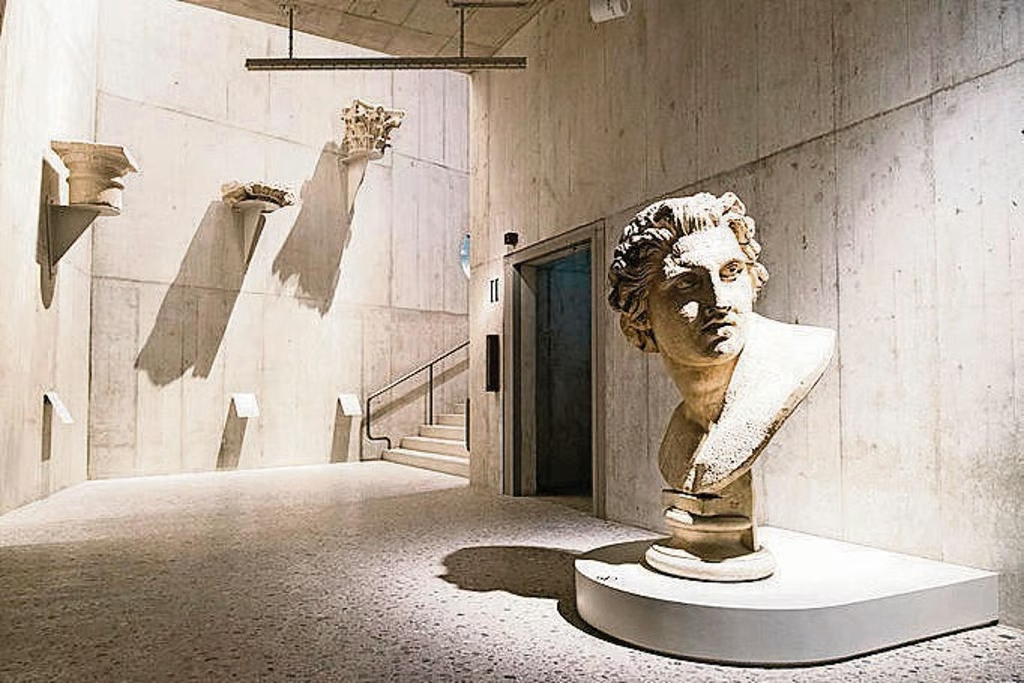
Museum gallery installation exploring sculpture, light, and spatial perception.
Perception is not a passive recording of reality. The mind organizes, filters, and interprets. What we see is shaped not only by what is present, but by memory, expectation, and prior knowledge.
In this sense, perception does not merely describe an artwork. It quietly participates in creating its meaning.
Perception does not merely describe an artwork. It participates in creating its meaning. And sometimes, its value.
Art objects do not exist in isolation. Their significance emerges through a network of interpretation that includes scholars, curators, collectors, institutions, and the historical narratives that surround them. Material, provenance, documentation, and critical interpretation all influence how an artwork is perceived.
A sculpture by Medardo Rosso offers a revealing example of how perception shapes value.
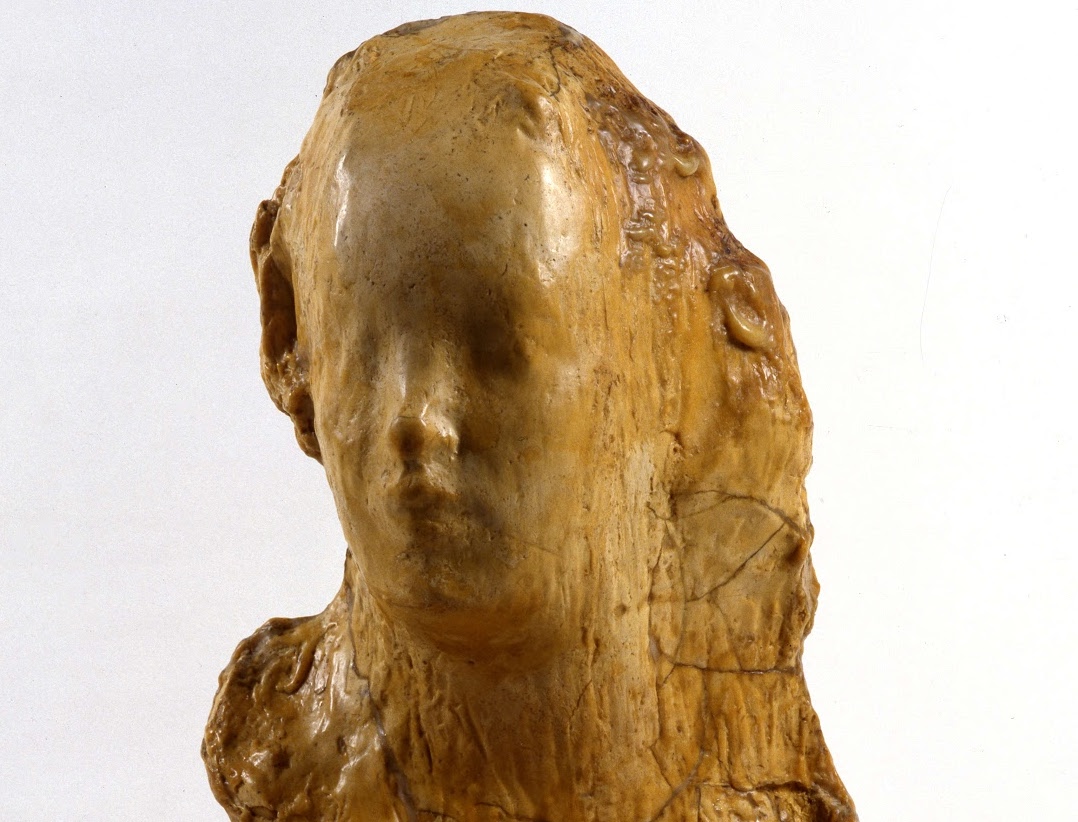
Medardo Rosso, Ecce Puer, c.1906. Wax sculpture.
Rosso, an Italian sculptor working at the turn of the twentieth century, approached sculpture in a radically experimental way. Instead of focusing on durable materials such as marble or bronze, he often worked with wax applied over plaster. The process allowed him to model forms gradually and capture subtle variations of light and atmosphere across the surface.
To many observers, Rosso’s sculptures appear unfinished, even fragile. Their forms dissolve at the edges. Details emerge and disappear depending on the angle of light.
Yet this apparent instability was central to his artistic vision.
Rosso believed that sculpture should capture a fleeting perception rather than a fixed form. In this sense, his work moves sculpture toward a quiet dematerialization, where light and atmosphere begin to matter as much as mass.
His sculptures are therefore less about solid volume than about the way light interacts with a surface. What the viewer perceives is not simply an object, but a moment of perception itself.
Philosophers of perception have long argued that seeing is never a purely optical event. Phenomenologists such as Maurice Merleau-Ponty described perception as a relationship between the body, the object, and the surrounding world. An artwork is therefore not simply observed from a distance. It is encountered through movement, light, proximity, and time.
This complicates how the market understands Rosso’s work.
Many of his sculptures exist in multiple versions. The same subject may appear in wax, plaster, or bronze. Some casts were produced during the artist’s lifetime, while others were made later using the original molds. Visually, these objects can appear very similar. Yet within the art market they may be valued quite differently.
Collectors and scholars often place greater importance on versions that preserve the qualities closest to Rosso’s intention. Wax surfaces, shaped directly by the artist’s hand, often carry a different sense of presence than later casts. The material seems to retain traces of the artist’s gesture and touch.
At the same time, wax is an extremely fragile material. It is sensitive to temperature, humidity, and handling, making condition a major factor in determining value.
This introduces a quiet paradox.
The very fragility that gives Rosso’s sculptures their atmospheric presence is also what makes them vulnerable. What appears as a subtle aesthetic quality is, materially speaking, a condition of instability.
In Rosso’s time, this fragility was an artistic choice.
Today, fragility has become a broader challenge for cultural heritage.
Perception is therefore not limited to vision. It also involves memory, emotion, and bodily presence.
Art is not only seen. It is felt.
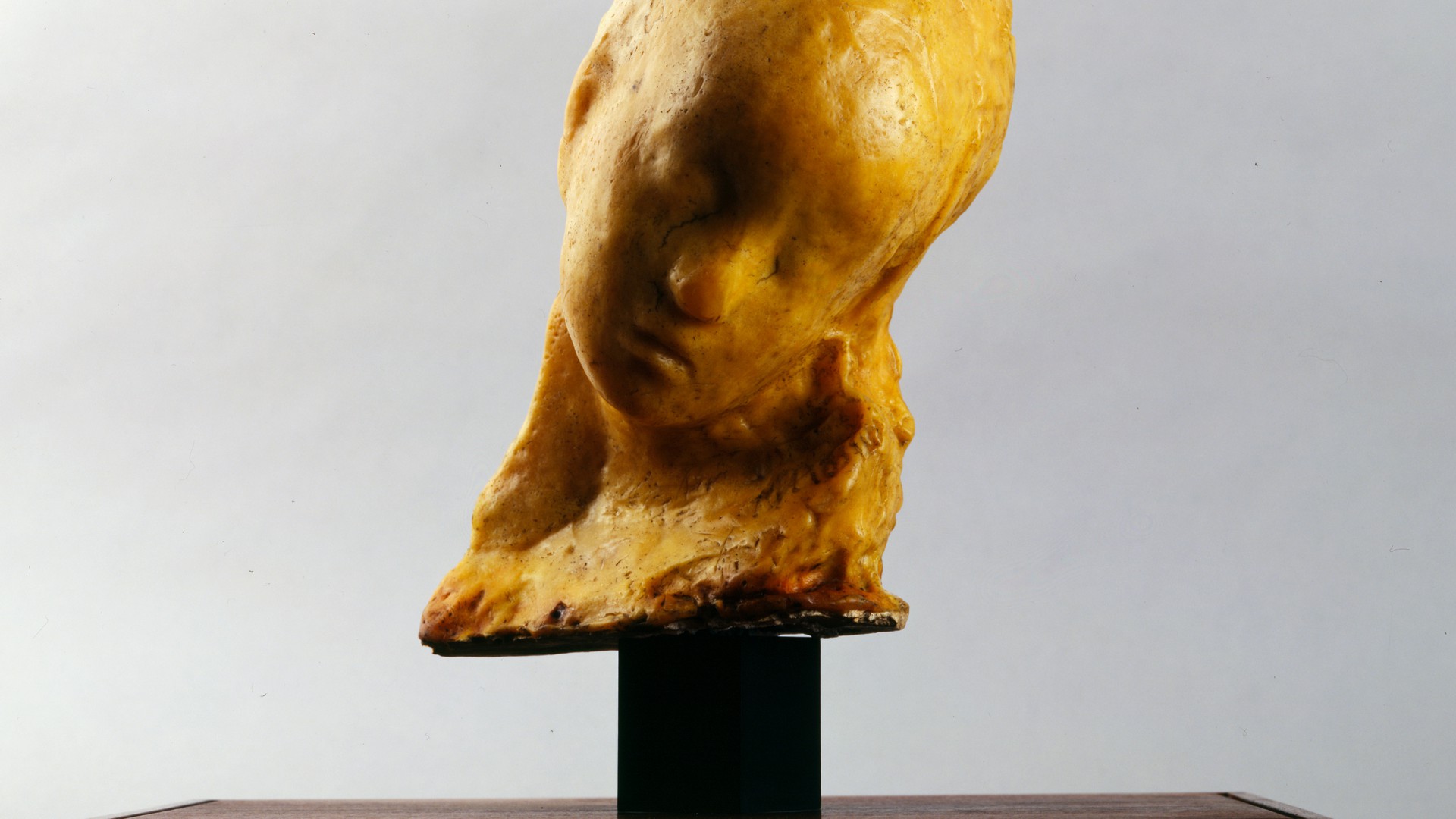
Detail of Medardo Rosso wax sculpture surface. The material dissolves form into light and atmosphere.
If perception shapes value, it also shapes what is preserved.
Perception therefore influences another, less visible dimension of the art world: preservation.
As extreme weather events become more frequent, the vulnerability of cultural heritage has become increasingly apparent. Artworks are not only cultural objects, but fragile materials that depend on stable environmental conditions. Works on paper, textiles, and photographs are especially sensitive to fluctuations in humidity and temperature. Site-specific installations and historic buildings face an even greater challenge because they cannot easily be relocated when environmental threats arise.
Museums and collectors increasingly rely on preventive mitigation strategies to address these risks. Climate-controlled storage, environmental monitoring systems, and early detection technologies are becoming standard tools for protecting collections. Insurance assessments now often incorporate environmental risk, encouraging stronger conservation practices.
Yet climate threats also raise quieter questions.
When resources are limited, institutions must sometimes decide which works receive priority protection. Not every object can be preserved with the same level of care. Decisions must be made about which artworks justify the investment of space, resources, and long-term stewardship.
Preservation, in this sense, becomes another form of interpretation.
What survives into the future is not determined by chance alone. It reflects collective judgments about what matters, what deserves protection, and what forms part of our shared cultural memory. These decisions quietly shape the cultural longevity of artworks.
Perception therefore operates on several levels within the art world.
It shapes how we see artworks. It shapes how markets assign value. And increasingly, it shapes what is preserved for the future.
We often imagine that perception begins with the eye. But in art, perception is never purely visual.
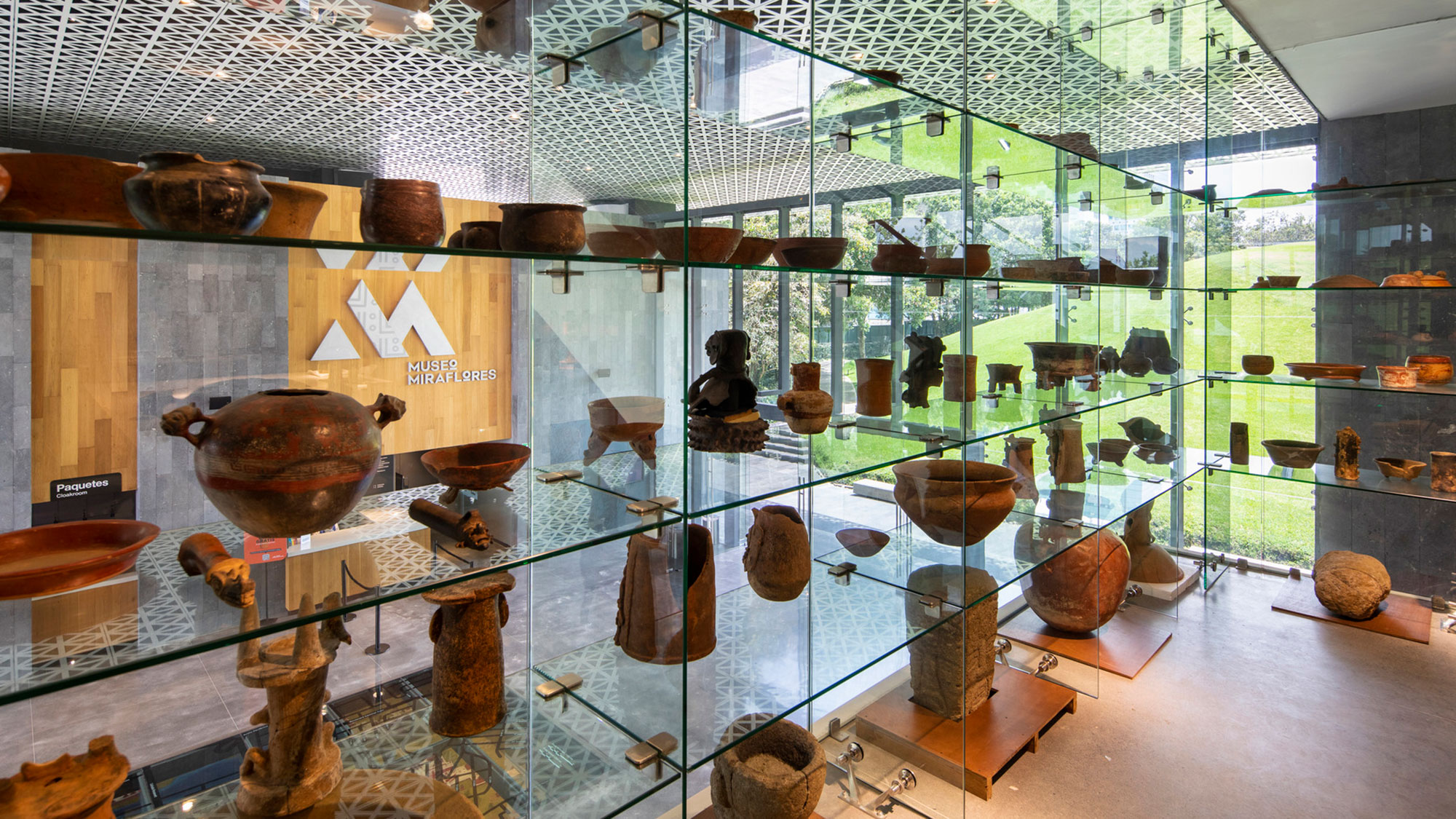
Museum conservation laboratory and climate-controlled storage facilities.
It is historical. It is interpretive. It is institutional.
And in subtle ways, it determines not only how art is seen, but which works will continue to exist for others to see at all.
We do not preserve art because it is durable. We make it durable because we perceive it as indispensable.
— Dao Nguyen Anh
Image Credits
Exhibition installation view. Image courtesy of museum archives.
Medardo Rosso, Ecce Puer, c.1906. Wax sculpture. Courtesy of The Museum of Modern Art, New York.
Detail of Medardo Rosso sculpture (wax version). Image courtesy of public museum collections.
Museum conservation laboratory and climate-controlled storage facilities. Images courtesy of institutional conservation departments.